A that heavy-duty optimized embedded computer Superb-quality build
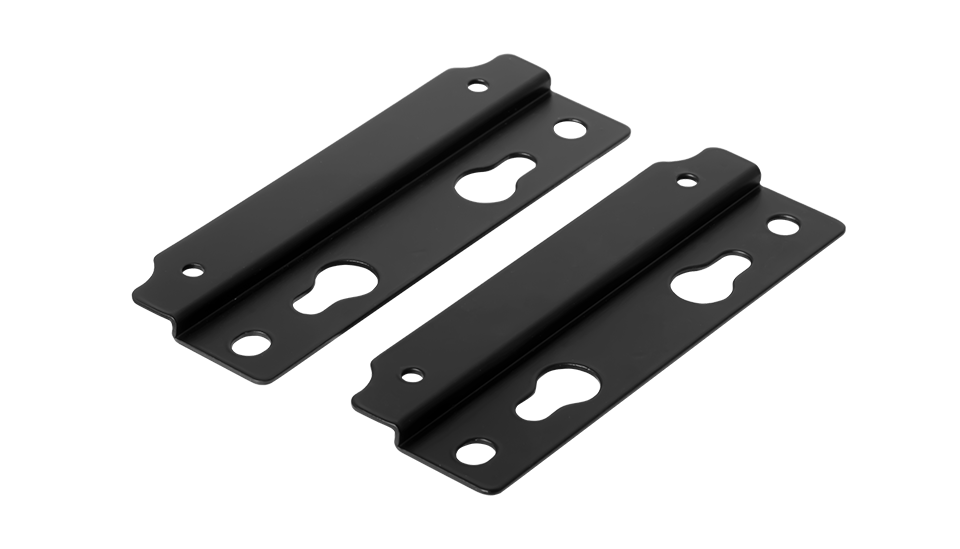
Digital signage has revolutionized the way we communicate and interact with information. From embedded computer solutions, digital signage networks can deliver captivating visual content across a wide range of environments.
These robust computers are engineered to operate reliably in demanding settings. Their capabilities include high-performance processors, ample memory, and integrated graphics, enabling the smooth playback of multimedia content.
Moreover, embedded computer solutions for digital signage are often equipped with communication interfaces, enabling seamless integration with existing systems and remote control.
- Choosing the right embedded computer solution depends on factors such as the size and complexity of your digital signage network, the type of content you intend to display, and your budget constraints.
- Assessing these factors will help you determine the most suitable embedded computer platform to meet your specific requirements.
Cutting-Edge Digital Displays : Powering Modern Communication
In today's dynamic environment, effective communication is paramount. Organizations are constantly seeking innovative ways to engage their audiences and convey information in a compelling manner. Enter digital signage players, the powerful systems that bring dynamic content to life on screens of all sizes.
These versatile tools allow for seamless integration of graphics, providing captivating and informative experiences for viewers. Utilizing vibrant advertisements to interactive menus, digital signage players empower businesses to maximize customer engagement and brand awareness.
- Additionally
With their ability to display dynamic content, digital signage players offer a flexible solution for a wide range of applications. No matter it's informing customers in retail settings, guiding visitors in museums, or displaying promotional messages in public spaces, these players provide a impactful and engaging communication channel.
Industrial PCs : Durability for Harsh Environments
In demanding industrial settings where temperature fluctuations, vibration, and dust are commonplace, traditional PCs often fall short. Industrial PCs (IPCs), however, are engineered to thrive these challenges. Built with ruggedized components, IPCs can perform reliably in environments that would cripple standard computers.
Characteristics such as dust-tight enclosures, wide temperature ranges, and shock-resistant designs ensure uninterrupted activity. IPCs are essential for applications in manufacturing, automation, energy, transportation, and other industries where availability is paramount.
- Furthermore, IPCs often feature specialized I/O interfaces and connectivity options tailored to industrial protocols and devices.
- Therefore, they provide a robust and reliable platform for controlling, monitoring, and acquiring data in real-time.
Embedded Systems Engineering
Embedded systems design and development encompass a diverse variety of tasks, from initial concept conception to the deployment of robust and reliable hardware-software systems. Engineers must possess a deep understanding of both hardware and software principles, encompassing microcontrollers, real-time operating systems, and embedded codebases. The design process often involves iterative prototyping, where engineers continuously test and refine their designs to guarantee optimal performance, reliability, and power efficiency.
Ul
liSystem requirements analysis
liProcessor architecture optimization
liCommunication protocols implementation
liTesting, debugging, and validation
Embedded systems play a vital role in a wide variety of applications, from consumer electronics to industrial automation and medical devices. As technology continues to evolve, the field of embedded systems design and development will undoubtedly flourish, offering exciting opportunities for innovative engineers.
The Future of Embedded Computing in Industrial Automation

The landscape of embedded computing is poised to revolutionize industrial automation. Driven by advancements in microprocessors, sensor technologies, and connectivity, embedded systems are becoming increasingly powerful, enabling manufacturers to optimize production processes, enhance efficiency, and minimize downtime. Regarding predictive maintenance to real-time process monitoring, embedded computing is enabling a new era of intelligent automation.
- Moreover, the rise of cloud computing and Industry 4.0 trends is creating increasing demands for highly interconnected embedded systems, facilitating data-driven decision making and integrated operations across industrial ecosystems.
- Consequently, the future of embedded computing in industrial automation is optimistic. Look forward to continued development in areas such as artificial intelligence, machine learning, and edge computing, more transforming the way we produce

Maximizing Performance in Digital Signage Displays
To ensure your digital signage displays deliver a captivating and effective presentation, it's crucial to enhance their performance. Begin by selecting high-quality displays with powerful processors and ample memory for smooth playback of visuals. Periodically update your display's software to benefit from the latest improvements.
Utilize a content management system (CMS) that allows for easy scheduling, updates, and monitoring of your signage. Consider aspects such as brightness, contrast, and viewing angle when positioning your displays in high-traffic areas. To minimize interruptions, establish a maintenance plan that includes regular checkups. By taking these steps, you can validate your digital signage delivers a seamless and impactful outcome for your audience.
Choosing an Embedded Computer: Key Considerations
Embedded computer systems are specialized computing devices built to perform particular tasks within a larger system. When identifying an embedded computer, several key factors must be carefully evaluated. First and foremost is the purpose for which the embedded computer will be utilized.
Understanding the required processing power, memory capacity, and input/output interfaces influences the choice of the appropriate hardware platform. Furthermore, environmental factors such as temperature range, vibration levels, and electromagnetic interference must be considered in the design process.



The software requirements also play a significant role in the selection process. Interoperability with existing systems and tools is essential for smooth integration. Finally, factors such as cost, procurement, and support should be carefully considered to ensure a effective outcome.
Case Studies: Real-World Applications of Embedded Systems
Embedded systems are ubiquitous, powering a broad range of applications in our daily lives. Examining these real-world implementations provides valuable knowledge into the capabilities and limitations of embedded technology. This article delves into several compelling case studies that showcase the applied impact of embedded systems across various industries. From advanced consumer devices to complex industrial machinery, these examples highlight the versatility and importance of embedded systems in shaping our modern world.
- One prominent case study involves the development of an groundbreaking automotive system that incorporates multiple embedded processors to manage functions such as navigation, collision avoidance, and fuel efficiency.
- In the healthcare sector, embedded systems play a crucial role in medical equipment, enabling precise patient monitoring, drug administration, and surgical robotics.
These case studies demonstrate the revolutionary impact of embedded systems on our lives. As technology continues to evolve, we can expect to see even more creative applications of embedded systems in the future.
The Journey From Idea to Execution
Developing an embedded system is a complex process that spans several stages, each crucial for bringing your vision to life.
It all begins with the conception/ideation/formulation phase, where you define the system's purpose and specifications/requirements/parameters. Once these are established, the design stage entails/involves/demands meticulous planning of hardware components, software architecture, and communication protocols. After careful simulation/modeling/prototyping, the design undergoes embedded system rigorous testing/evaluation/validation to ensure its functionality and reliability.
The next step is production, where the system's hardware/elements/modules are manufactured/assembled/fabricated. Subsequently, the software is optimized/integrated/loaded onto the hardware platform. Finally, the deployed system undergoes monitoring/maintenance/upkeep to ensure its continued performance and adaptability/scalability/evolution.
Advanced Technologies in Embedded Computing Platforms
Embedded computing platforms are evolving rapidly, fueled by innovative technologies that enhance performance, efficiency, and functionality. State-of-the-art processors with multiple cores and advanced architectures provide the computational muscle for demanding applications. Memory technologies are also advancing, offering increased capacity and speed to handle large datasets. The integration of devices allows embedded systems to interact with their environments in sophisticated ways. Furthermore, advancements in connectivity enable seamless data exchange and collaboration between devices. These developments are shaping the future of embedded computing platforms, opening up new possibilities in diverse fields such as industrial automation.
Implementing Embedded Computers into Digital Signage Networks
The realm of digital signage steadily evolves with advancements in technology. One such advancement is the integration of embedded computers into these networks. Embedded systems provide a powerful platform for managing and displaying content, offering a wealth of advantages. These benefits include improved interactivity, real-time data updating, and adaptable content delivery. Moreover, embedded computers facilitate the use of advanced functionalities such as tracking and wireless control.
Therefore, integrating embedded computers into digital signage networks offers a compelling solution for businesses seeking to optimize their signage strategies. By harnessing the potential of these compact and efficient devices, organizations can create engaging digital signage experiences that impact audiences.